The Rise of mCommerce over E-Commerce

If you’re here, chances are you’re one of those curious bunches who want to know more about what this emerging trend really is, what’s its future and how you can best take advantage of it. Well, say no more as in this article, we’ll cover everything you’d ever need to know about mCommerce.
Why Mobile Commerce
Brick and mortar stores might have served the general needs well in the past, but as we all know, changing time requires changing solutions—and mCommerce has proven itself to be this decade’s king of transactions.

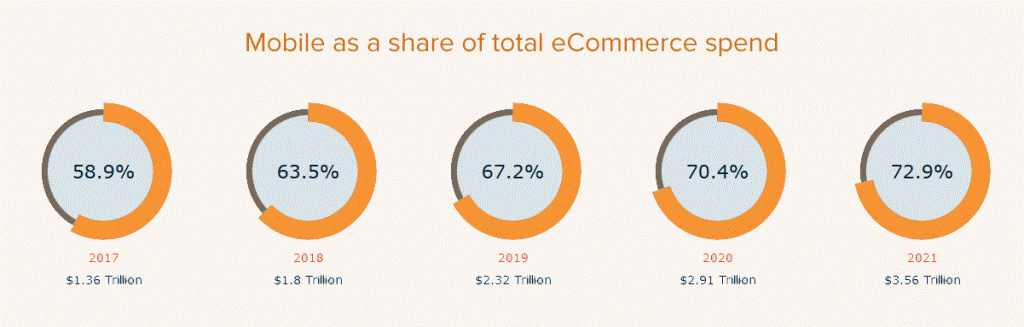
Source: Merchant Savvy
With an impressive year-on-year growth of 33.9%, mCommerce is expected to be the main channel of shopping in the future. To speak it in dollar’s terms, you can say that two out of every three dollars spent on online purchases are done so through a mobile device.
What is Mobile Commerce
If you’re still a bit unclear on this whole Mobile Commerce (mCommerce) thingy, we’ve got your back. Essentially, mobile commerce is—and typically referred as—transactions done via mobile devices, which include smartphone, tablet and the like; or as Kevin Duffey – the father of the term put it:
A retail outlet in your best customer’s pocket.
Types of mCommerce services
While the term mCommerce often refers to online transactions done via mobile devices, it’s so much more than that. Since its first appearance, mCommerce has expanded the mobile experience to so much more than just “buying things on mobile”. As a matter of fact, it’s been the sole reason for the emergences of brand-new industries and services such as:
- Ticket and boarding service
- Location-based services
- Information services
- Mobile banking
- In-app services
mCommerce and eCommerce
In case you’re still wondering how these two terms really differentiate from each other: don’t worry, everyone does. Turns out, some of the times they can be used interchangeably without much difference in meaning.
Fundamentally, however, they’re still different, with eCommerce means Internet Commerce—Commerce over the Internet. To put it in perspective, eCommerce is like a spectrum of means for commercial transactions over the Internet and mCommerce an (increasingly) large part of which. Oftentimes, these two terms overlap because of just how progressive the mCommerce scene has become.
Mobile-first and why the future is mobile
Was a mobile-first approach for design and development unexpected? Kind of. First coined by Eric Schmidt back in 2004, the term “mobile-first” and the idea behind it was revolutionary at the time and it’s been the way for design and development ever since:
Mobile first in everything. Mobile first in terms of applications. Most first in terms of the way people use things.
Eric Schmidt
Guess you could say that it’s only natural for people to prefer convenience, and while it might prove to be difficult at first (development-wise), a mobile-first strategy has time and time again proven itself to be the approach for businesses that want a healthy growth across all devices.
Augmented Reality made possible with mCommerce
A peek into the current mobile-first eCommerce industry
Going into the eCommerce industry with a mobile-first mindset means that you’re essentially aiming to serve 6.95 billion mobile users worldwide—that’s a big number. That’s why brands are now transforming the typical shopping experience to that of a unified one—which means at every point of the shopper journey and with whichever device of their choosing, the user experience is one and the same: a consistent, seamless and streamlined shopping experience.
Progressive Web App is the solution for big brands such as airbnb to meet the needs of users with high expectations for a smooth, responsive and easy to navigate experience. 

#SimiCart #progressivewebapps #progressivewebapp #pwa #google #chromedevsummit2019 #chromedevsummit #airbnb #pwashowcase
A post shared by SimiCart (@simicart.official)

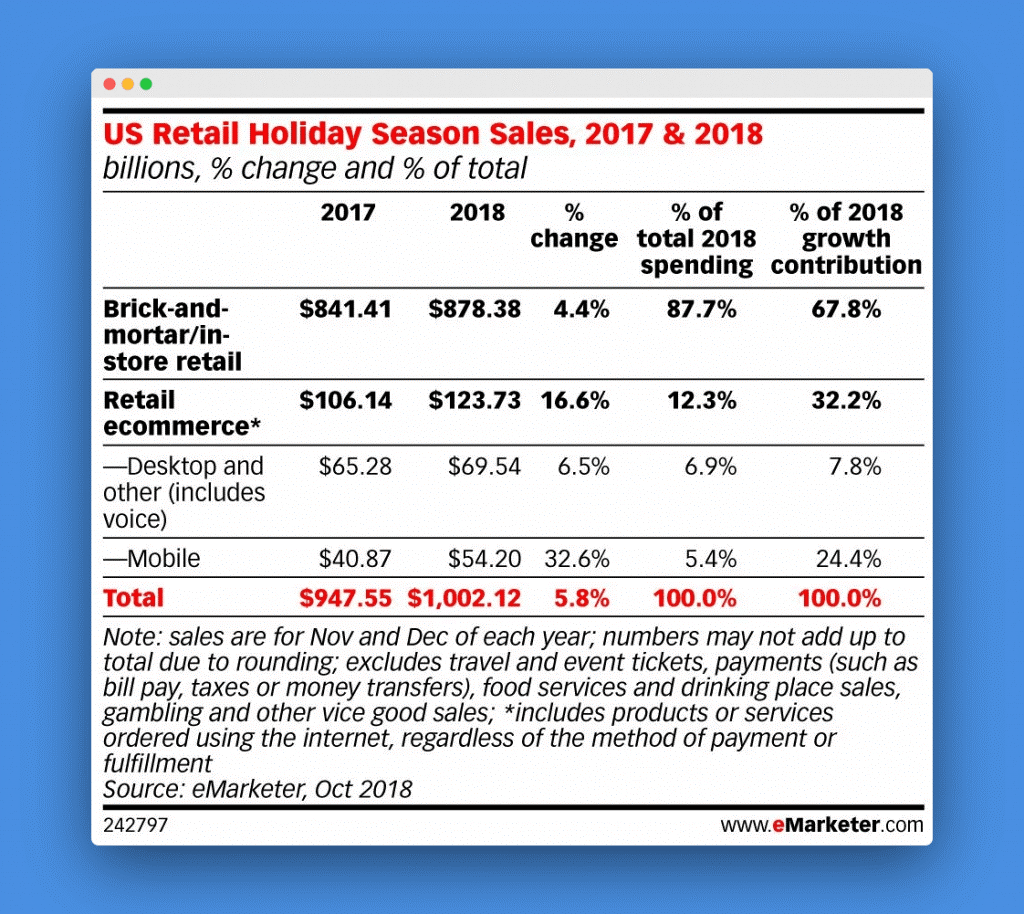
This is, of course, isn’t a win-win game for everyone in the retail industry. Since most of the products are now available and nested inside a 5-inch mobile screen—one quick check-out away, customers no longer find the need to leave their house. Brick and mortar stores took a major hit because of this.


Windows shopping is dead
This is all understandable—why waste your Saturday morning driving to the center of town to buy something when you can get it online? In today’s retail world, it seems that businesses that don’t have a way to make their products mobile-accessible online often find themselves swimming against the tide, and thus face closure as a result.
79% of smartphone users have made a purchase online using their mobile device in the last 6 months.
The retail apocalypse is a known phenomenon caused by the rapid expansion of the eCommerce industry, which records up to over 1200 physical stores closure in North America alone in the previous year and the number is expected to reach up to 12.000 stores in 2020.
Advantages of mobile-first eCommerce
- Convenience
It should go without saying that convenience is one of mCommerce’s trademarks. In a world where everything is getting progressively more convenient, mCommerce shines where traditional approaches failed.
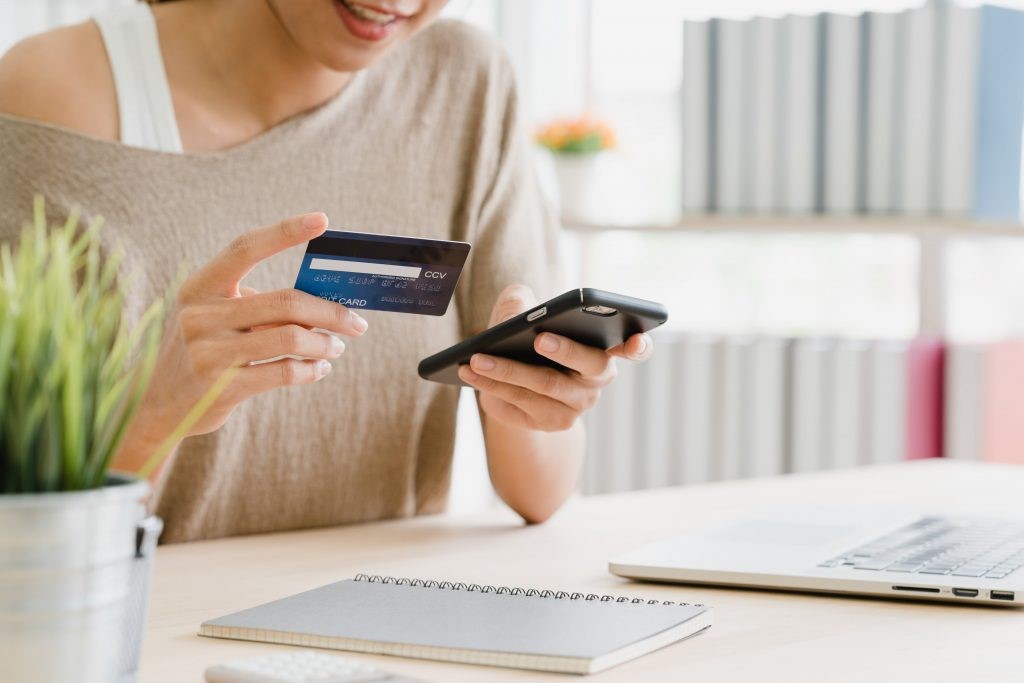
Compared to its early days, mobile devices are getting increasingly easier to fit into your pocket and more multi-purpose than ever. With just a few simple clicks on mobile devices, customers can do shopping, banking, download media files, managing their businesses and more.
- Localization
Mobile commerce specializes in utilizing the information given by the users such as locations to improve its service and consequently, to drive more revenues.
It allows brands to reach consumers at the right time, whether they’re browsing for an item in the evening or shopping in a store during a lunch break. Geotracking technology and programmatic advertising help retailers connect with these consumers in those moments before a purchase decision, increasing the likelihood that the
- Ubiquity
Ubiquity is what you talk about when mentioning mCommerce. Mobile commerce allows brands to enter markets they’ve never considered before. Simply with a device that’s connected to the internet, users can get any information anywhere with almost no extra cost involved. It is the fundamental factor that separates mCommerce from traditional brick and mortar stores, especially at a time when two-thirds of adults own a smartphone like today.
- Payment Options
Mobile Commerce opens a whole new variety of payment options for customers to choose from. Simply by implementing payment methods characteristic of mCommerce such as barcode scanners, businesses can save the monthly costs which often accompanied by credit card terminals.

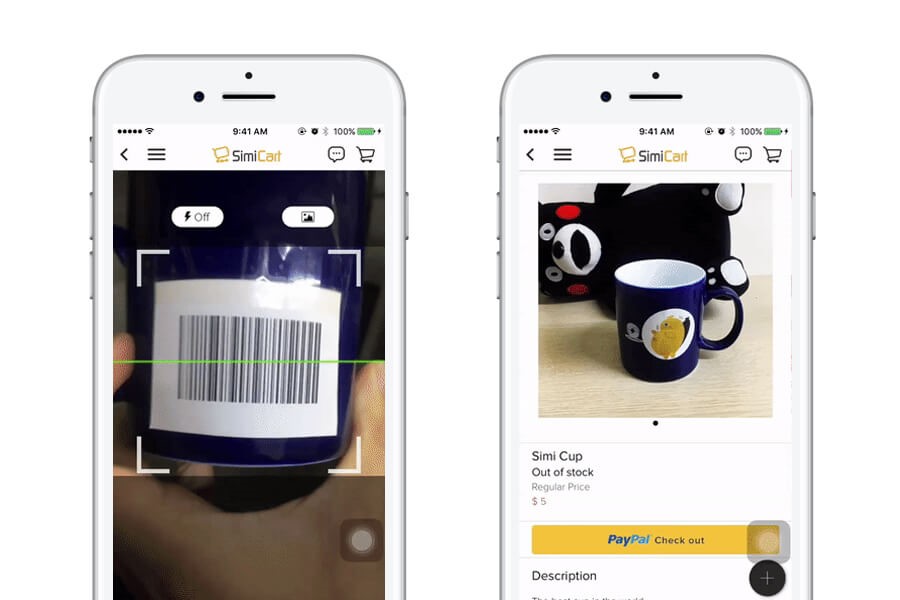
QR code scanner

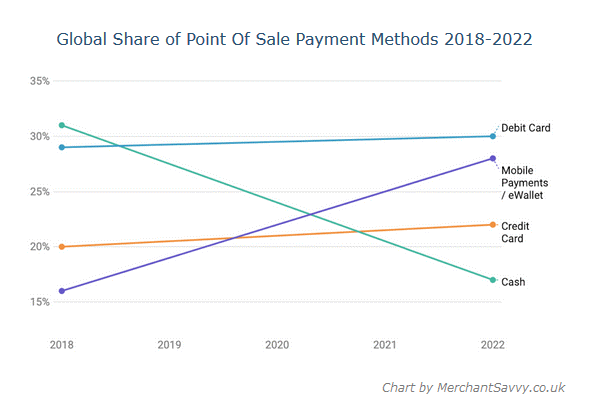
Chart: Merchant Savvy | Source: Statscounter
Mobile payment is expected to replace credit and debit cards after decades of being the preferred method. This, of course, shouldn’t come as a surprise for you since mobile payment has the advantages of being quick, wireless and effortless. With mobile payment options, all you’d ever need to carry along with you is a smartphone with 3G/4G connection and you’re good to go.
Original Publication Courtesy – https://www.simicart.com/blog